2 billion MAD for Tamazight on the anniversary of Ahmed Adghirni’s passing
200 billion centimes for the Amazigh language on the anniversary of Ahmed Adghirni’s passing: a coincidence that raises questions of equity and loyalty to activists
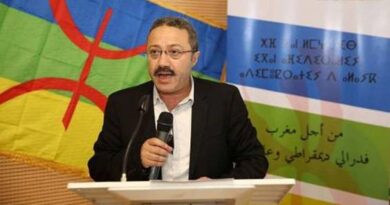
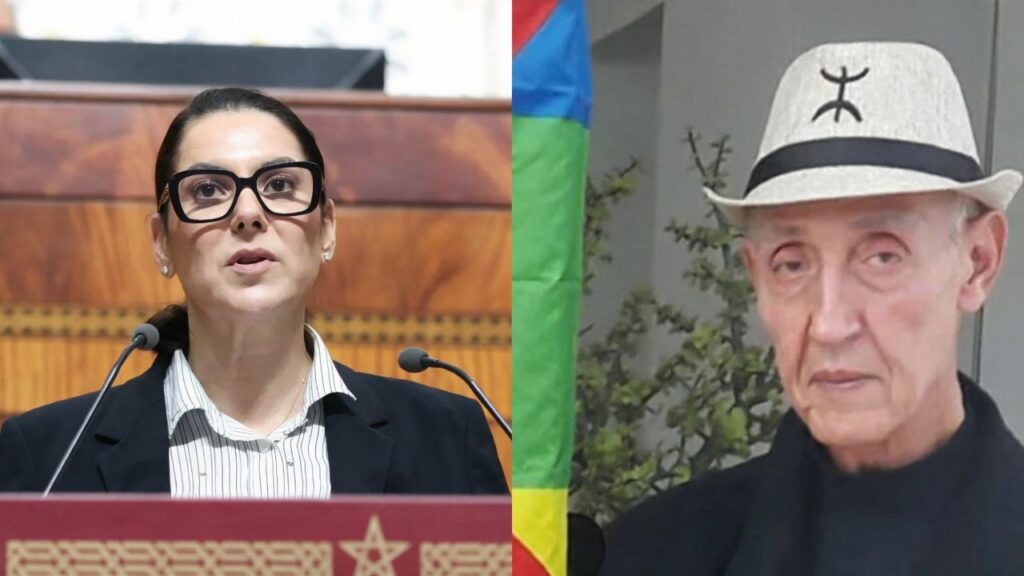
In a deeply symbolic coincidence, Moroccan Head of Government Fatima Ezzahra El Mansouri announced on Monday, October 19, 2026, the creation of a special two-billion-dirham fund (200 billion centimes) to implement the official status of the Amazigh language. The announcement came during the presentation of the government program before Parliament, on the very day Amazigh advocates marked the anniversary of the passing of jurist and activist Ahmed Dgharni, a leading figure in the fight for Amazigh identity and cultural and linguistic rights in Morocco.
The timing prompts reflection, bridging a government pledge of substantial funding to consolidate the official status of the Amazigh language with the memory of a man who made that struggle his lifelong mission. Rather than a simple matter of cause and effect, this alignment carries profound symbolic weight, juxtaposing activist memory against present challenges and future demands.
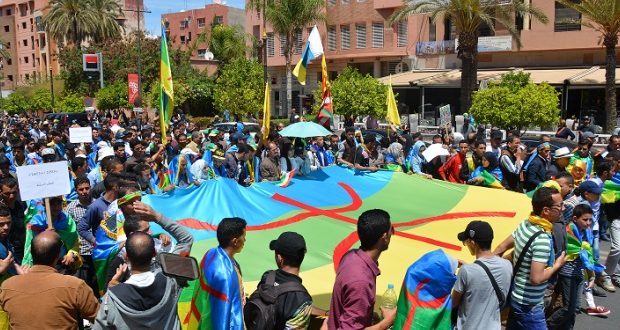
Throughout his intellectual and legal career, the late Ahmed Dgharni remained one of the staunchest advocates for rehabilitating the Amazigh language, identity, and culture, and for ending decades of marginalization. The debate over enshrining the Amazigh language in the constitution and integrating it into state institutions was part of a broader struggle: securing recognition for Morocco’s cultural and linguistic pluralism, and defending citizens’ rights to see their language and identity affirmed in schools, public administration, the justice system, the media, and civic life.
Today, years after the Amazigh language was recognized as an official language in the 2011 Constitution, comes the announcement of this two-billion-dirham fund. It will be paired with the establishment of a permanent ministerial commission under the Head of Government, tasked with overseeing its integration into education, administration, the judiciary, the media, and public signage, along with the publication of tracking indicators in an annual report. If carried out with clear objectives and rigorous monitoring and evaluation mechanisms, these measures could mark a crucial step forward from constitutional recognition to daily practice.
Yet the significance of such an announcement does not rest solely on the size of the allocated budget; it depends above all on how these funds are managed, the nature of the funded projects, and their tangible impact on citizens’ daily lives. The Amazigh language requires more than headline budgetary commitments. It demands an effective presence across public institutions, widespread rollout in schools, the training of qualified staff, and the genuine ability of citizens to use it in administrative offices, courtrooms, and healthcare facilities, alongside a stronger footprint in public broadcasting and the digital space.
The success of this undertaking also hinges on transparent criteria for resource allocation, clear implementation timelines, and the publication of a detailed annual review. Such tracking must enable citizens, researchers, civil society groups, and Amazigh advocates to assess tangible progress and pinpoint persistent bottlenecks. Ultimately, the true test of any public policy lies not in official proclamations, but in its concrete capacity to transform the relationship between citizens and their language, rights, and institutions.
This timely convergence brings back to the fore the duty of honoring the memory of those pioneers who championed the Amazigh language when the issue received zero institutional recognition. Paying tribute to Ahmed Dgharni cannot simply mean delivering commemorative speeches or recounting his career. It offers a vital opportunity to gauge the progress achieved by the Amazigh movement and measure the enduring gap between constitutional gains and on-the-ground reality.
Honoring this activist legacy means more than keeping a memory alive; it requires safeguarding the rights these trailblazers fought for. It also entails encouraging research into the history of the Amazigh movement, documenting the testimonies of its early figures, and acknowledging the decisive contributions of cultural and civil society organizations that paved the way for the Amazigh language to attain its current constitutional standing.
Thus, the confluence of this two-billion-dirham pledge and the anniversary of Ahmed Dgharni’s death lends profound symbolism to the moment, while placing the burden of responsibility squarely on the government to turn its words into measurable, accountable commitments. The Amazigh language is neither an isolated sectoral file nor a mere subsection in a government platform. It is an authentic foundation of Moroccan identity and a constitutional right that calls for enduring policies and sustained institutional will, far beyond declarations of intent.
The timing may be pure coincidence, but the true value of this moment will be judged by its results. Will these two billion dirhams mark the genuine turning point in ending linguistic and administrative marginalization, or will this impressive figure remain a cosmetic announcement with limited real-world impact? That is the question that must shadow this decision, just as it must guide every initiative meant to do justice to the Amazigh language and honor the struggles of its activists.
Commemorating Ahmed Dgharni is not simply about remembering a fallen leader; it is about examining a cause whose promise of justice remains unfulfilled. The generations who fought for the Amazigh language did not seek line items in a budget. They fought for a living language in schools, public administration, courts, and the media; an identity protected by public policy; and full citizenship where language no longer acts as a barrier to rights and public services.
Ahmed Dgharni has passed away, but the questions that drove his life’s work remain as pressing as ever. The ultimate verdict on today’s announcement will be dictated neither by serendipity nor by the symbolism of a date, but by tangible outcomes for citizens and the state’s capacity to translate the official status of the Amazigh language into a lived daily reality, far beyond constitutional text.
By Ibrahim Fadil
Arabic version | French version