Fez Opens Jewish Culture Museum
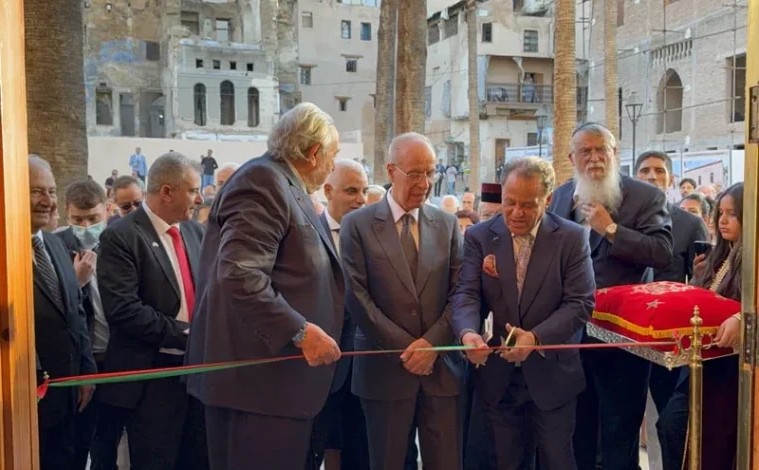
The opening on Monday of the Museum of Moroccan Jewish Culture in the historic Mellah district of Fez has revitalized discussions on how to preserve the collective memory and cultural diversity that have shaped Morocco’s history. Built on land donated by the Jewish community, this museum aims to fill a gap in the institutional documentation of the non-Arab components of the national fabric, specifically the Hebraic influence, which the Constitution recognizes as an integral part of Moroccan culture.
Spanning more than 1,700 square meters, with 1,200 square meters dedicated to permanent exhibitions, the museum features architecture that highlights traditional zellige tilework, plaster carving, and artisanal woodwork. The collections, spread across two floors, trace a chronology of over 2,500 years of Jewish presence in North Africa. They emphasize pivotal historical milestones, such as the founding of the Fez Mellah in 1438 and the arrival of exiles from Andalusia in 1492. These exhibits challenge current cultural policies to integrate this deep historical narrative and move beyond monolithic interpretations of the past.
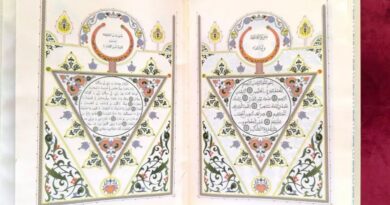
The museum’s curated path explores religious, institutional, and daily life through rare manuscripts, books, and Torah scrolls, as well as artifacts illustrating the functions of rabbinical courts and Hebrew schools. It also highlights traditional craftsmanship by reconstructing a jewelry workshop and displaying finery, textiles, and musical instruments. These pieces demonstrate the functional and technical cross-pollination between the different components of Moroccan society. Furthermore, the collection raises questions about the ability of educational and media policies to assimilate these cultural specificities in the face of dominant Arabization trends.
Inaugurated following a project first announced in April 2019, the museum was completed with the participation of the Moroccan Jewish community under the aegis of the National Foundation of Museums. While its backers seek to highlight the historic interactions between Jews and Muslims, cultural observers are waiting to see if such institutional initiatives will lead to a structural policy that fully recognizes Morocco’s plural identity and guarantees the cultural and linguistic rights of all its historical components, moving beyond temporary or superficial displays.
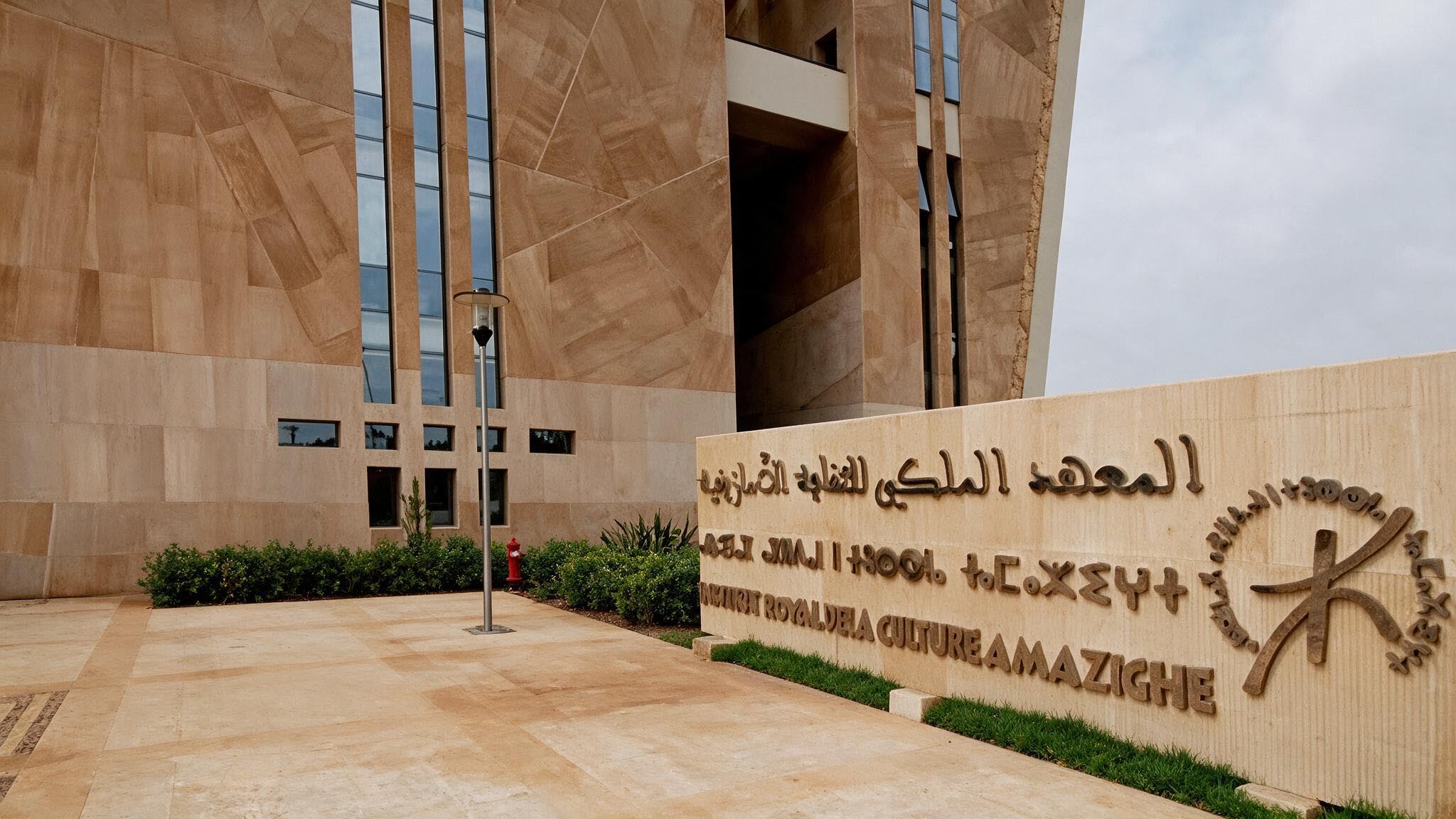
Along the same lines, Amazigh culture, as the indigenous and oldest component of Moroccan identity, likewise needs similar initiatives to preserve its memory, document its tangible and intangible heritage, and repair the damage caused by decades of Arabization and systematic exclusion from educational and media institutions and the public sphere. While the 2011 constitutional recognition of Amazigh as an official language marked an important turning point, its translation into museums, documentation centers, and programs to safeguard Amazigh heritage still falls short of expectations. This component continues to await genuine fairness from public cultural policies, one that goes beyond symbolic discourse and occasional, event-driven approaches.
Arabic version | French version