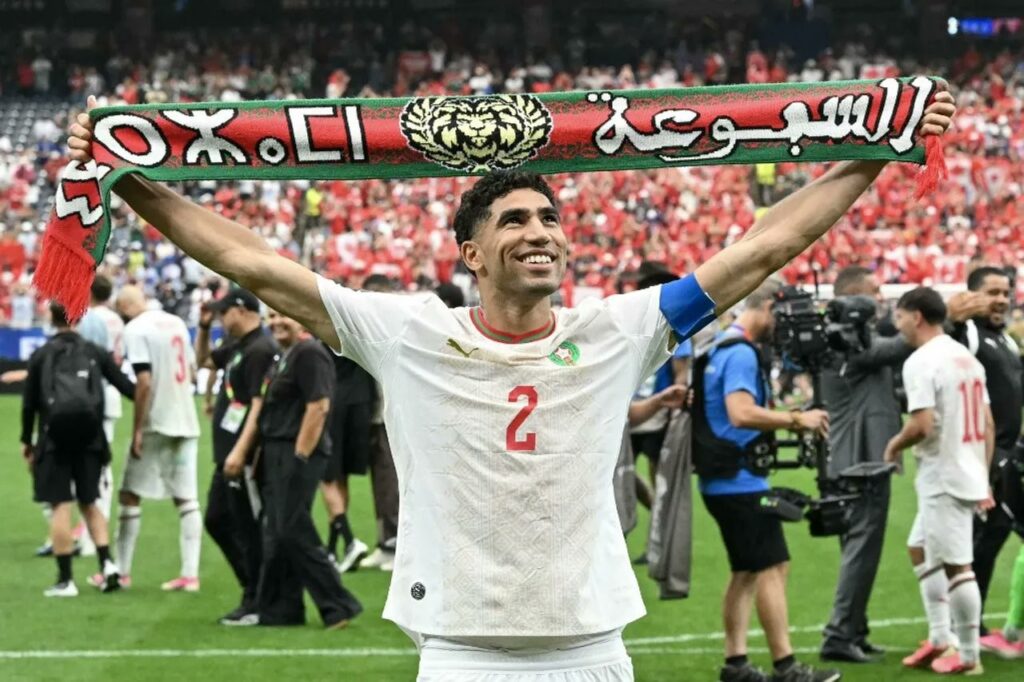
What the World Cup Run Did for Moroccan Identity
I won’t dwell here on the economic, political or moral fallout of these footballing achievements — experts are better placed than I am to address that. What interests me is the question of identity. Morocco’s footballing success, and the national team’s ability to uphold the country’s bright image and prestige since its stunning run at the 2022 World Cup, has once again strengthened Moroccans’ sense of their own distinct identity. This success has reaffirmed the country’s cultural, civilizational and historical specificity. It has breathed new life into Moroccan identity and shown Moroccans that they must rely on themselves and put their nation’s interests first. It has also exposed the collapse of Arab nationalist and Islamist ideologies imported from the East — ideologies the Amazigh movement had long warned posed a danger to Morocco.
This success has opened the eyes of some Moroccans who had long been dazzled by these ideologies, whose Moroccan proponents never tired of drumming them into our ears. It revealed that this rhetoric was nothing more than a mask concealing something else entirely, and that whatever ties bound them to the East were flimsier than a spider’s web. Every success the country achieves stirs resentment among some, who first try to play it down and, failing that, attempt to claim it for themselves in the name of these ethno-nationalist ideologies.
These successes have strengthened Moroccans’ national spirit, rooted in their identity and culture. They have taught Moroccans that their identity and culture set them apart — a realization that has alarmed the champions of nationalist and Islamist ideology in Morocco. In response, they have launched a fierce campaign against Amazigh identity, the country’s own identity, as well as against certain Moroccan thinkers and historians — an almost hysterical reaction to successes that are helping Moroccans become more aware of the importance of their distinct cultural identity. Indeed, any return to Moroccan identity rooted in its Amazigh core poses a threat to the political and ideological projects of Arab nationalists, Muslim Brotherhood-style Islamists, Salafists and Wahhabis in Morocco. That is the real reason behind this fierce yet carefully orchestrated campaign against Amazigh identity in recent times. But it is doomed to fail: history does not run backwards. The more Moroccans hold fast to their identity, the higher they will climb the ladder of civilization — just as their ancestors, the builders of empires, once did.
Lahcen Zohour
Arabic version | French version