Union criticizes management of Amazigh language teaching in Tinghir
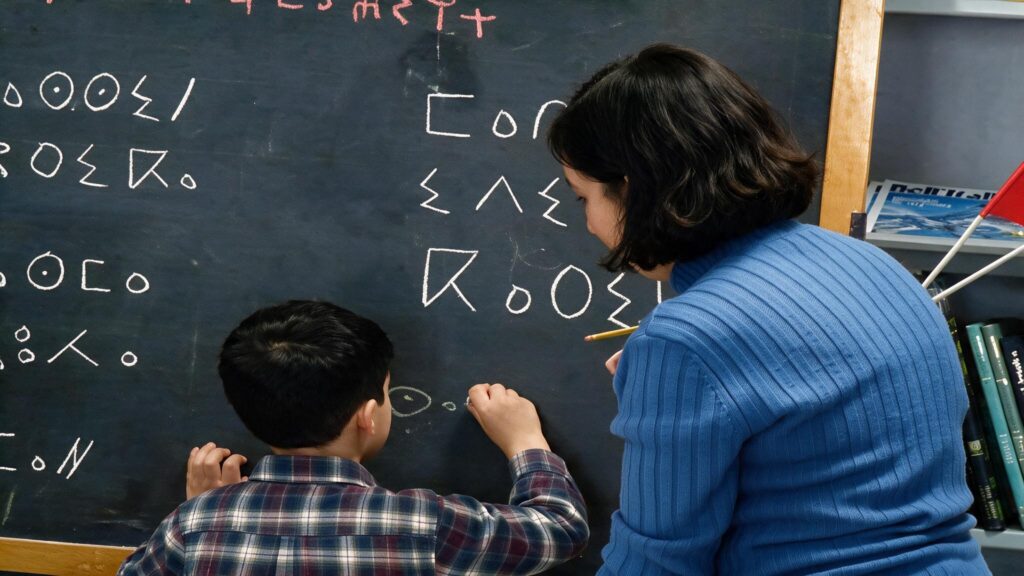
The provincial branch of the National University of Distance Education, affiliated with the Moroccan Workers’ Union in Tinghir, has expressed deep concern and strong dissatisfaction over the professional and pedagogical conditions facing Amazigh language teachers. The union pointed to persistent management failures and unacceptable practices that undermine the principles of fairness, equal opportunity, and respect for academic specialization.
In a protest statement, the union branch highlighted a sharp gap between official rhetoric—which recognizes the Amazigh language as an essential component of national identity and an asset for public schools—and the actual reality of its instruction in Tinghir Province. The statement stressed that this disconnect exposes teaching staff to growing professional and instructional pressures, as they lack the necessary conditions to carry out their duties in a way that preserves their dignity and ensures quality learning.
The union warned of ongoing shortcomings in pedagogical supervision and support, noting that sensitive pedagogical and educational files related to the Amazigh language are being assigned to non-specialists. It also criticized the imposition of schedules and organizational measures that disregard the specific nature of the subject and the framework guidelines governing it, while excluding the teachers concerned from decisions affecting their professional practice.
According to the provincial organization, relying on unilateral management methods without any participatory approach fuels tensions and friction in the education sector. At the same time, it noted the lack of essential resources and conditions needed to ensure the success of Amazigh language teaching and achieve its assigned pedagogical objectives.
Consequently, the union declared its rejection of any undermining of the pedagogical and administrative organization of Amazigh language teaching, demanding that the criterion of specialization be upheld in supervision, inspection, and pedagogical monitoring. It also called for an end to any interference by unqualified actors in instructional choices related to teaching the subject.
The provincial branch further insisted on the obligation to comply with ministerial guidelines governing Amazigh language teaching and to refrain from imposing schedules that violate their provisions. It urged the provincial directorate and the overseeing education authorities to act without delay to correct the identified irregularities.
In addition, the union demanded the opening of serious and responsible channels of dialogue with representatives of Amazigh language teachers and called for their legitimate demands to be addressed. It stressed that the dignity and professional stability of the teaching staff represent a non-negotiable and uncrossable red line.
Concluding its statement, the provincial branch warned of the repercussions should these failures continue. It declared its readiness to engage in all legitimate forms of struggle to protect the dignity and rights of Amazigh language teachers and to defend the place of the Amazigh language in public schools.
Arabic version | French version