Assid calls for reviewing Moroccan toponymy and protecting Amazigh names from erasure
Moroccan thinker and activist Ahmed Assid has called for a review of Morocco’s toponymy and the historical names of its cities and regions to protect them from erasure, distortion, or falsification of their meanings. He stressed that place names are a vital part of collective memory and national identity.
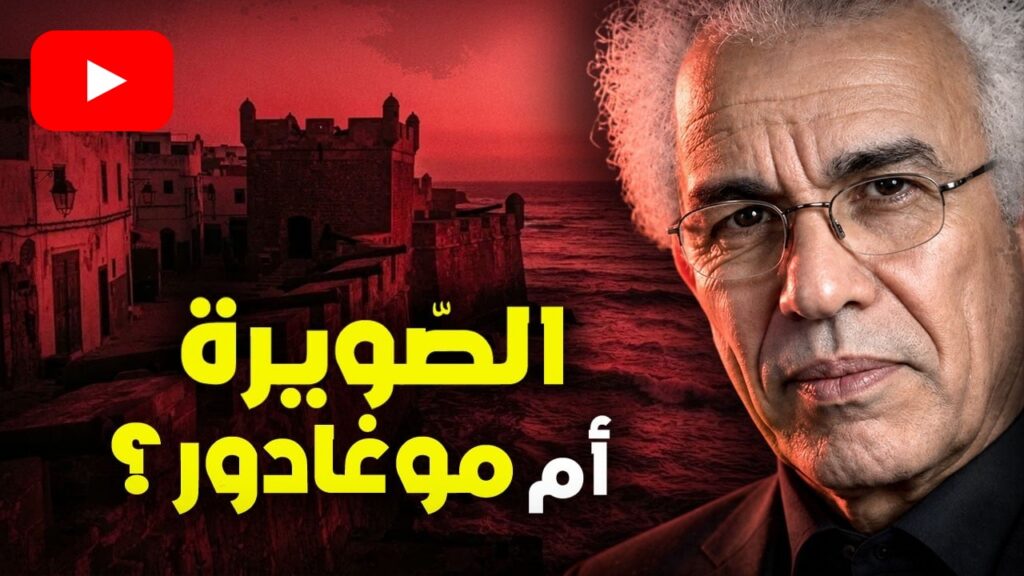
Assid explained that the debate was reignited following a statement by King’s advisor André Azoulay, who emphasized the need to restore the original name of Essaouira, “Mogador” (or Mogadir), due to its historical weight and civilizational heritage. Assid noted that Azoulay’s remarks are grounded in national and international references, as the Moroccan Constitution stipulates the protection of all components of national identity, and ancestral Amazigh names make up the largest share of the country’s toponymy.
According to Assid, the erasure and distortion of many Amazigh names stem from the policy of “ideological Arabization” adopted by the state after independence. This policy reduced national identity solely to its Arab-Islamic and Andalusian components, at the expense of its original Amazigh, Hebrew, African, and Mediterranean roots.
The researcher classified the distortion of place names into three main categories. The first involves replacing original names with others, such as substituting “Anfa” with Casablanca and “Fdalate” with Mohammadia. The second concerns altering a name’s pronunciation and structure to give it an Arabic sound, as happened with “Azila,” which was distorted into Asilah, and “Titawen,” transformed into Tétouan. The third category lies in falsifying the meaning of names by spreading unscientific stories and legends, as occurred with the cities of Safi, Morocco; Marrakesh; and Tangier.
Assid cited international charters that prohibit the arbitrary alteration of place names, notably the Universal Declaration of Linguistic Rights (Barcelona, 1996), the United Nations Declaration on the Rights of Indigenous Peoples (2007), and resolutions by the United Nations Group of Experts on Geographical Names.
Finally, he called for rehabilitating original names and integrating them, along with their scientific and historical meanings, into school textbooks and official dictionaries. However, he clarified that this does not mean removing Arabic names tied to recent historical contexts, such as the city of Kenitra, which replaced the colonial name “Port-Lyautey,” affirming that the historical legitimacy of ancestral names makes their preservation a national duty.
Video: Ahmed Assid’s YouTube channel (in Arabic)
🎬 Video link : https://youtu.be/rgLDnkiqbDs?si=K1HzpN0IBBkhJinF
Arabic version | French version
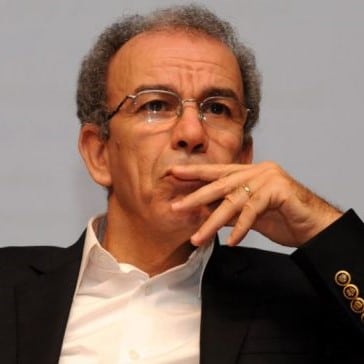
Ahmed Assid is a writer, poet and researcher in Amazigh culture, and a human rights activist who campaigns for Amazigh causes and for human causes in general.