MP questions Education Minister over delayed Amazigh digital materials and booklets in pioneer schools
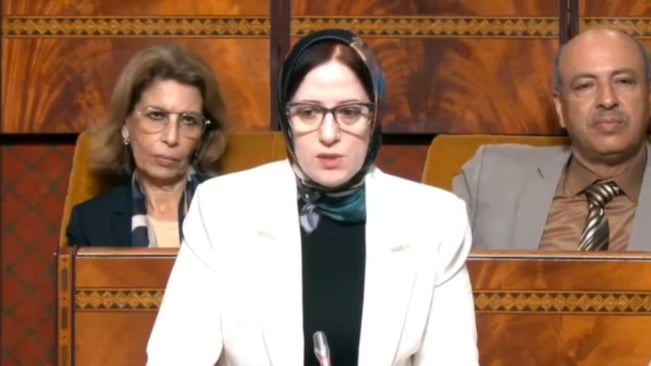
A written parliamentary question submitted by lawmaker Khadija El Baz, a member of the Party of Progress and Socialism group in the House of Representatives, to the Minister of National Education, Preschool and Sports has brought back to the forefront the debate over the gap between regulatory texts governing the integration of the Amazigh language and the reality on the ground within “pioneer schools.” This inquiry comes amid persistent delays and shortages in supplying activity workbooks and digital teaching materials dedicated to the subject, as well as ongoing uncertainty surrounding the fate of the work carried out by the national team of experts.
In her assessment of the situation inside these schools, El Baz pointed to continuing delays in printing and distributing activity and learning workbooks for the adopted educational tracks, alongside a shortage of digital resources, particularly the accompanying PowerPoint (PPT) presentations. She emphasized that the absence of unified print and digital materials places teachers in major difficulty and deprives students of educational resources that are essential for learning, reinforcement, and review, both in the classroom and at home. She also stressed the need to clarify and implement the expert team’s conclusions on the ground, especially regarding the instructional hours allocated to the subject and the standardization of reference documents, in order to ensure consistency and complementarity in teaching the Amazigh language on an equal footing with other subjects such as Arabic, French, and mathematics.
As the lawmaker recalled, integrating the Amazigh language into the “pioneer schools” project forms part of implementing the provisions of Article 5 of the Kingdom’s Constitution and Organic Law No. 26.16, which sets out the stages for activating the official status of the Amazigh language and the procedures for integrating it into education, alongside Framework Law No. 51.17 on the education, training, and scientific research system. In this context, El Baz commended the work of the national team of experts established by the ministry during the previous legislative term in partnership with the Royal Institute of Amazigh Culture. Composed of specialized inspectors and teachers, this team was tasked with developing core learning frameworks, designing educational pathways, and preparing the instructional and digital materials required to teach the Amazigh language using the “TaRL” (Teaching at the Right Level) and “explicit instruction” approaches.
Faced with these shortcomings, the Party of Progress and Socialism lawmaker asked the Minister of National Education to clarify the status of the final conclusions reached by the national team of experts, as well as the extent of the ministry’s commitment to implementing its recommendations on instructional time, educational pathways, and student assessment. She also questioned the minister about the root causes of the delays and shortages observed in printing and distributing activity workbooks and digital resources across the “pioneer schools.” Finally, she requested specific details on the emergency measures and timelines planned to address these gaps and guarantee the regular and complete delivery of teaching and digital materials at the start of every school term.
Source: Amadal Amazigh
Arabic version | French version