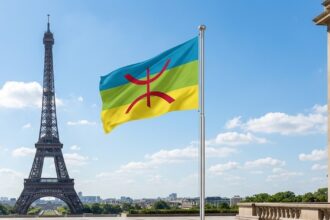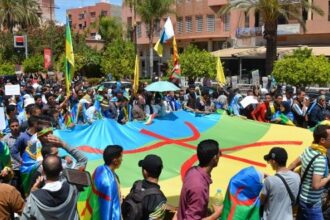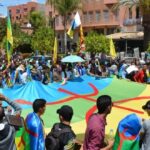
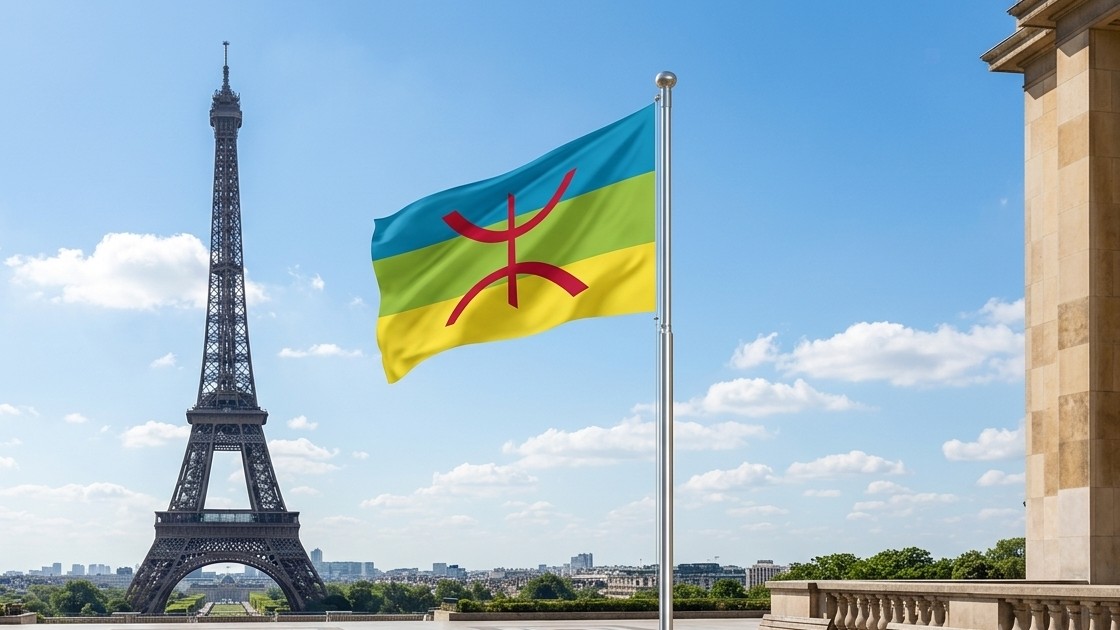
Amazigh emigration is no longer simply a matter of leaving in search of better living conditions — it has become a genuine cultural issue. While thousands of Amazigh people have successfully built stable lives in countries around the world, one essential question remains: what will become of the Amazigh language and culture among their children and grandchildren?
The reality speaks for itself. Many young people from the second and third generations no longer speak the Amazigh language, and some know very little about their ancestors’ history and traditions. This is not a rejection of identity, but a natural consequence of the pressures of integrating into societies with different languages and cultures. Still, integration should not mean dilution or the loss of one’s roots — cultural identity is what preserves a people’s memory and ensures their continuity.
Preserving Amazigh identity in the diaspora cannot be discussed without examining the state’s role. While Morocco regularly holds recruitment exams for Arabic teachers for the children of Moroccans living abroad, and runs programs that allow them to learn Arabic and maintain their ties to it, no comparable initiative exists for teaching the Amazigh language — even though it is an official language of the Kingdom under the Constitution and one of the core components of Moroccan national identity.
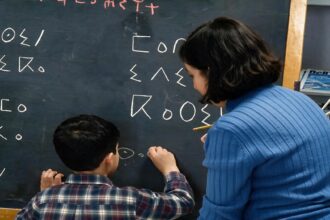
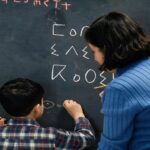
This gap denies many children in the diaspora — particularly those from Amazigh families — the chance to learn their mother tongue through formal institutions. As a result, the burden of preserving the language falls largely on families and associations, which often have limited resources. Since the state has recognized the official status of the Amazigh language, that recognition should also be reflected in policies aimed at the Moroccan community abroad: holding recruitment exams for teachers specialized in the Amazigh language, creating educational programs on par with those offered for Arabic, developing appropriate curricula and teaching materials, and supporting Amazigh cultural associations in host countries.
True equality between Morocco’s two official languages will only be achieved when children of the diaspora have the same right to learn both Arabic and the Amazigh language — two inseparable pillars of Moroccan national identity.
The family remains the first link in passing down language and culture, but it cannot face the challenges of integration and generational change alone. Preserving the Amazigh language in the diaspora therefore requires families, associations, and public institutions to work together, so that the language does not become a mere memory but remains alive, passed down from one generation to the next.
Preserving Amazigh identity is not a nostalgic attachment to the past — it is an investment in the future, and a mark of respect for the cultural diversity that defines Morocco. Cultures that are not passed on to new generations risk disappearing, while those that receive care and attention remain alive and continue to evolve.
Guaranteeing the diaspora’s children the right to learn the Amazigh language does not serve Amazigh people alone. It strengthens the unity of Moroccan national identity in all its components, and gives concrete meaning to the constitutional status the Amazigh language holds, both in Morocco and abroad.
By Al Houssine Mohamed – researcher in toponymy and Amazigh heritage
Arabic version | French version