Tamaynut Challenges Parties on the Amazigh Language
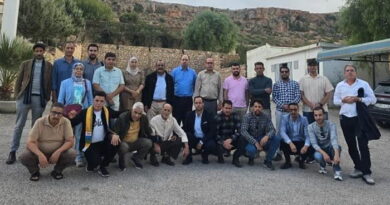
On the eve of the September 23, 2026 vote, the Tamaynut organization has sent an open letter to the political parties competing for seats in the House of Representatives. The letter revives the debate over the gap between the constitutional recognition of the Amazigh language as an official language and its actual presence in institutions and public life. It also puts a series of economic, social, environmental and land-related issues before the parties.
The organization notes that 27 parties are vying for 395 seats in this election. In its view, the vote is taking place at a time that calls for a democratic climate, genuine political will and officials committed to the rule of law and to institutions. It argues that development cannot be separated from real democratic practice, or from political will that matches official rhetoric and the commitments made by the state and its institutions.
The letter dwells on the tone of the campaign, which Tamaynut describes as “a dismal political discourse.” It argues that inflated promises and the habit of blaming others for failures will change nothing on the ground. If anything, they risk deepening the crisis of trust in the electoral process, in political parties and in institutions.
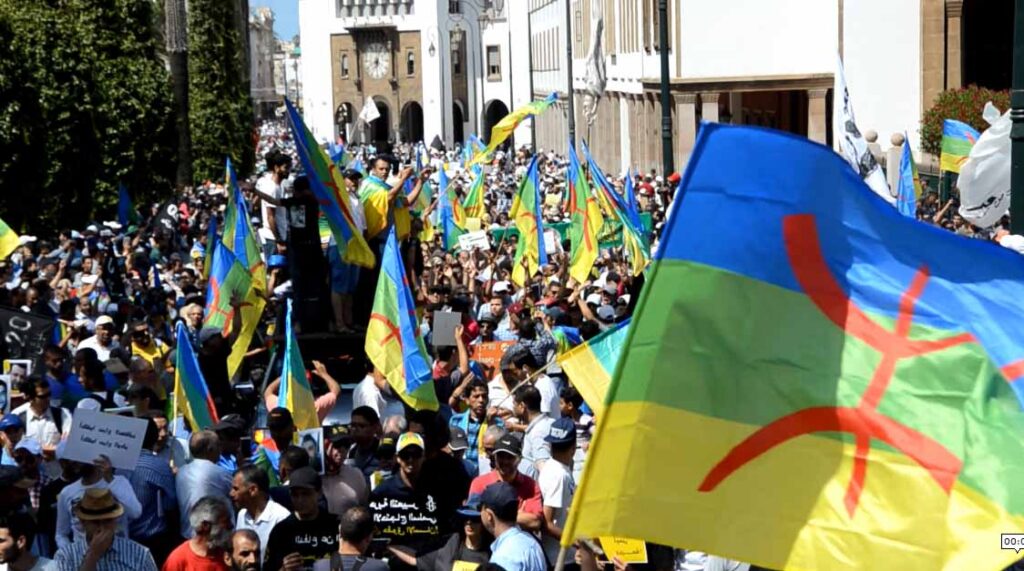
On identity, the organization stresses that the Constitution is a political and social contract whose provisions must be respected and developed in line with aspirations. It points to a gap between the constitutional status of the Amazigh language as an official language and its real place in the media, schools, the justice system, transport, sport and public life as a whole.
Tamaynut also highlights what it sees as a persistent failure to honor the commitments set out in Organic Law No. 26.16 on implementing the official status of the Amazigh language. According to the organization, this failure extends to the education system and the media; to communication in the Amazigh language with members of the public at train stations, on trams and buses, at ports and airports and in a number of government offices; and to the justice sector and other public services. It calls on the parties to take responsibility for implementing the Constitution and to do justice to the Amazigh question in all its dimensions — linguistic, territorial and human — giving it the place it deserves.
On the economic and social front, the organization draws on data it attributes to national and international bodies to point to what it considers imbalances: unemployment, slowing investment and the situation of young people who are not in education, employment or training. It urges the parties to present comprehensive, workable plans rather than settling for slogans and promises. Addressing these imbalances, it argues, requires an objective diagnosis, effective alternatives and genuine political will.
On the environment, Tamaynut says climate change, with the droughts and floods that accompany it, poses major challenges. It calls for drawing on traditional knowledge and harnessing modern technology to ensure water security, and for developing agriculture in a way that guarantees food security and protects the environment. It also proposes measures to cope with periods of scarcity and make the most of periods of abundance: building more dams, expanding the network of water highways, and strengthening and renewing infrastructure, from dams and bridges to roads and sewage networks.
The organization regards land as one of the obstacles to sustainable development. It points to what it describes as an ongoing policy of land dispossession and restrictions on land use in several regions, through a variety of mechanisms. It calls on the parties that will hold office to end what it calls the forced displacement of people from their land and territory, to review the legal framework governing collective (soulaliyate) lands, and to adopt a participatory approach that involves the actual rights holders and protects them from exploitation and from the unfair transfer of their land.
In conclusion, Tamaynut argues that the building blocks it considers essential to the development it seeks combine identity, economic, social and environmental dimensions. It renews its call on the parties running in the election to engage seriously with these proposals and to translate them into policy from whatever positions of responsibility the results bring them. It also calls for restoring the rule of law and the standing of institutions, honoring the state’s commitments on the Amazigh language across all fields, and meeting citizens’ basic needs. Finally, it urges a break with certain practices in the management of public institutions and the use of public funds, and calls for building a strong economy that draws on the country’s material and human resources, guarantees access to human rights, fosters a modern and democratic society, and delivers sustainable development.
Source: Amaḍal Amazigh
Arabic version | French version