Morocco’s Education Ministry Creates a Service to Support Amazigh Language Teaching Abroad
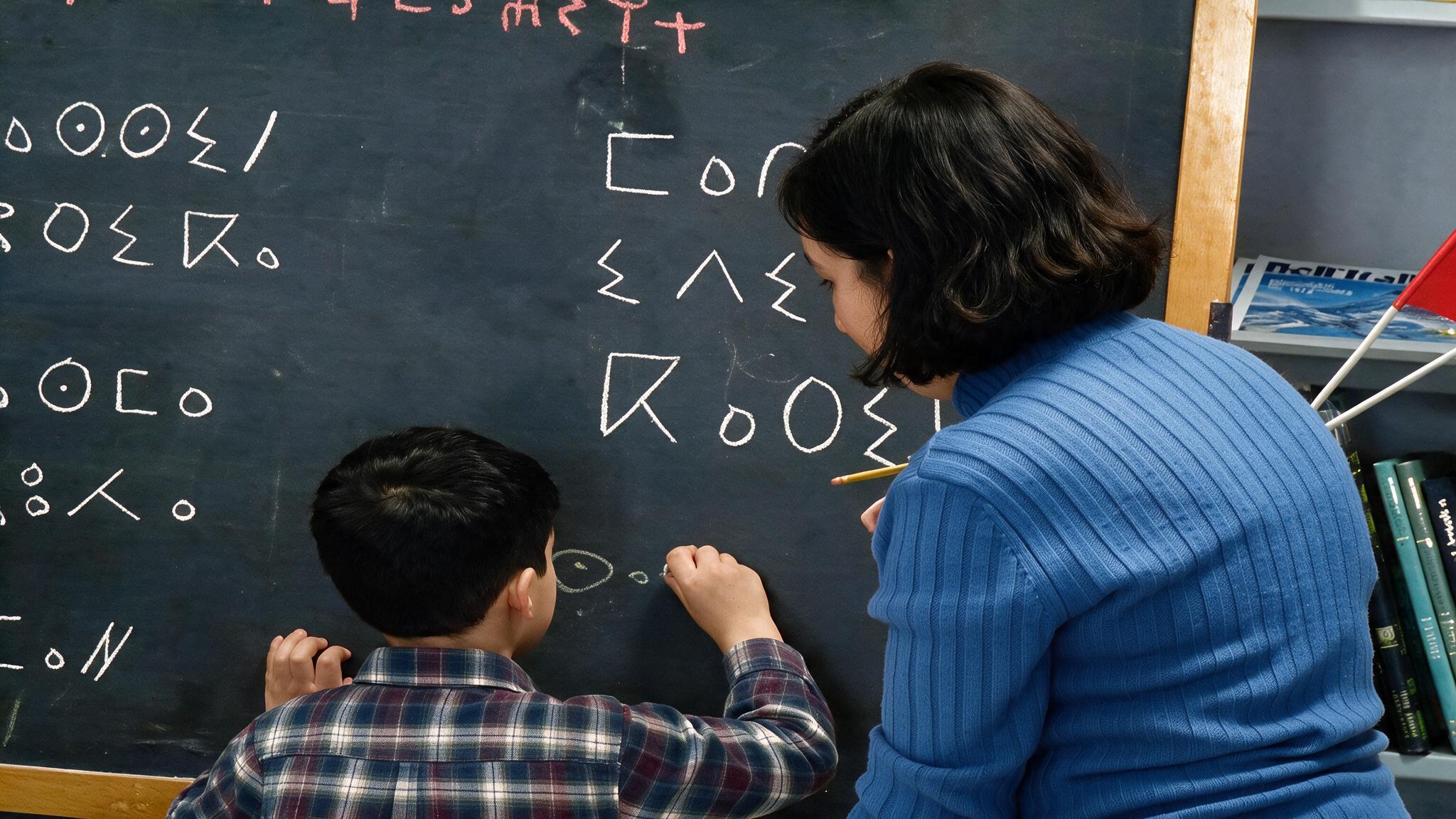
A new ministerial order has brought renewed attention to the place of the Amazigh language in education programs for Moroccans living abroad and for schools run by foreign missions in Morocco. The order establishes a service within the ministry’s central administration to support the teaching of Arabic and the Amazigh language, along with Moroccan history and geography.
The measure is Order No. 1275.26 of the Minister of National Education, Preschool and Sports, issued on June 4, 2026. It governs the creation of the ministry’s central administration divisions and services and defines their responsibilities. It was published only nearly three months later, in Official Bulletin No. 7541 of September 7, 2026.
The new service sits within the Cooperation and Partnerships Division and is officially titled the “Service for Supporting the Teaching of the Arabic and Amazigh Languages and of Moroccan History and Geography Abroad and in Foreign Missions.”
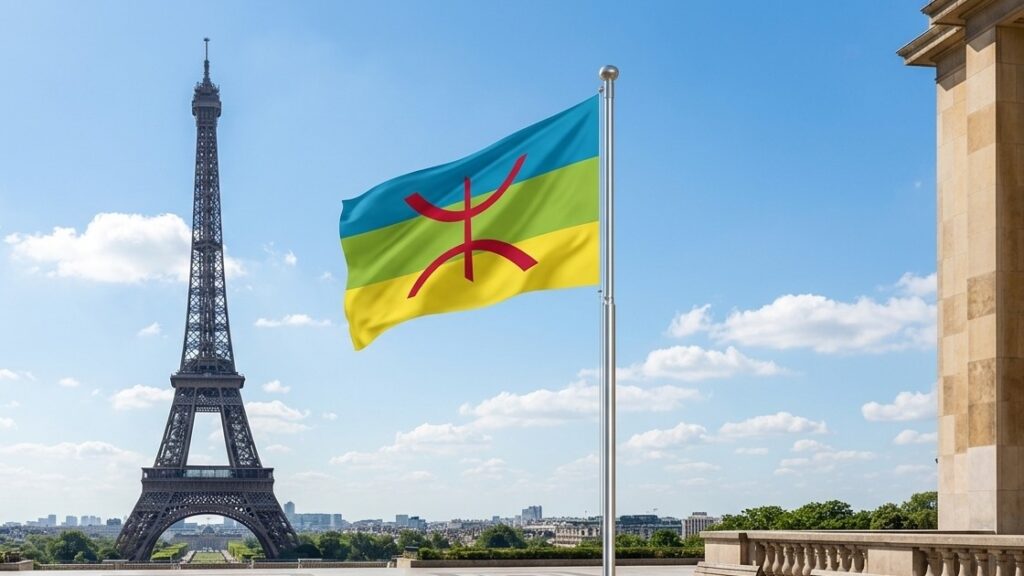
The order tasks the division with monitoring, guiding and supporting the teaching of Arabic and the Amazigh language, Moroccan culture, and Moroccan history and geography, both in schools operated by foreign missions in Morocco and for Moroccans residing abroad.
The same division also handles a broad international portfolio. It prepares, negotiates and oversees the implementation of bilateral and multilateral international activities and agreements. It manages international exchanges and scholarships, and supports the integration of foreign students in coordination with the relevant bodies. It is also responsible for advancing national and international partnership initiatives aimed at developing the education and training system, backing the sector’s central structures on partnerships, and assisting the Regional Academies of Education and Training in this area.
Oversight of Amazigh language teaching outside Morocco thus falls to a division with wide-ranging duties, within a single service that groups it with Arabic, history and geography. The move, part of a broader reorganization of the ministry’s central administration, gives programs for Moroccans abroad and foreign-mission schools a dedicated administrative framework. Its impact, however, will depend on how these responsibilities translate into concrete programs on the ground.
Source: Amaḍal Amazigh
Arabic version | French version